Is AI product photography good enough to sell with?
The short answer
Yes, for most packaged products, if it starts from photos of the real product and every image is checked against that product before it’s published. AI still gets fine label text, glass, exact colour and stitching wrong, so those are the four things to check.
Updated .
Where it works
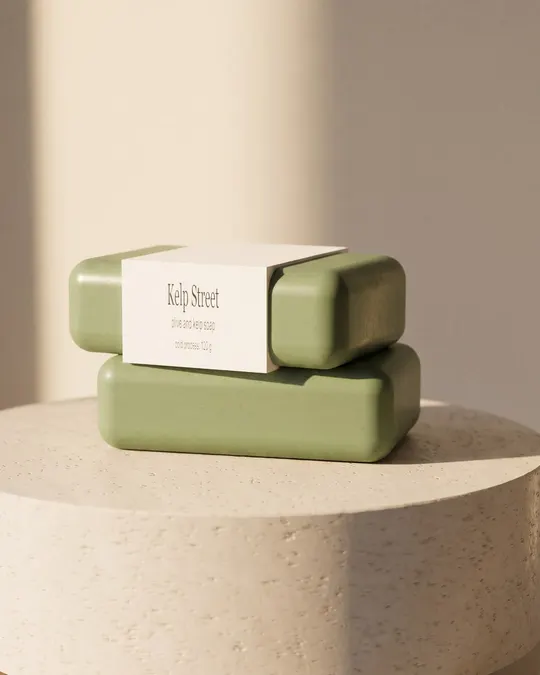
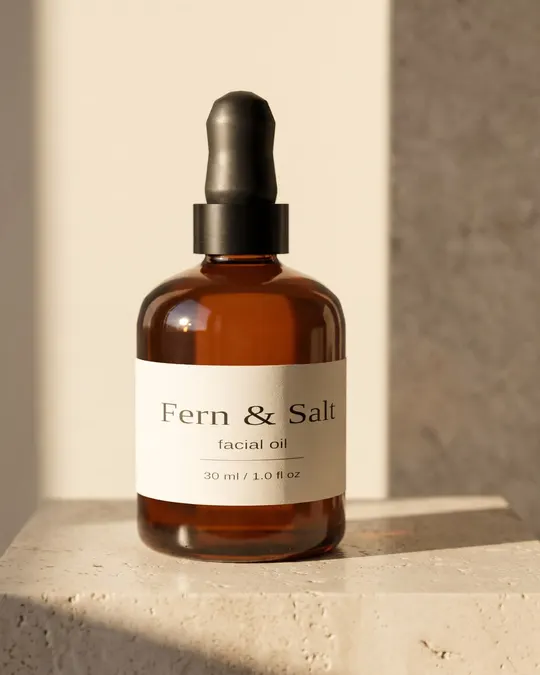
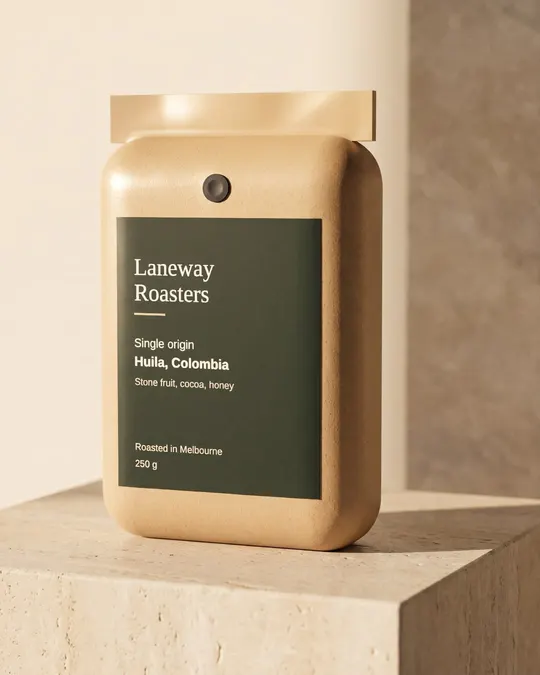
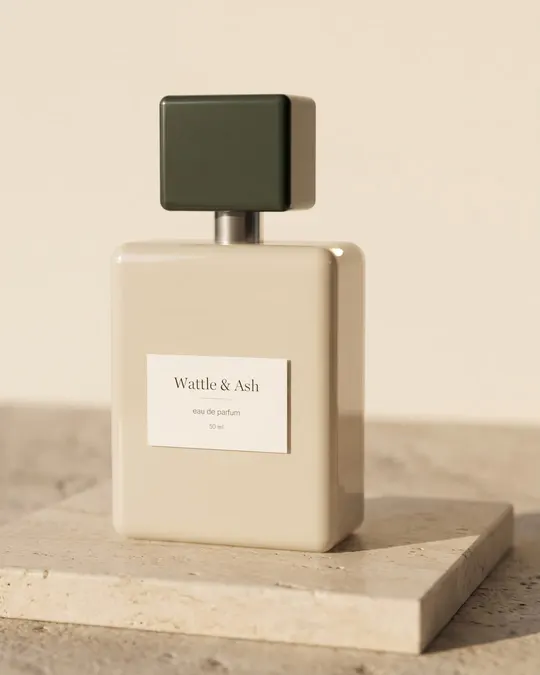
AI product photography is strongest when the product has a fixed shape and a printed label: bottles, jars, pouches, boxes, candles, ceramics and leather goods. It can put the same product into many settings quickly, which is what a small brand posting every week needs.
It works best when it starts from photos of your real product. A tool that invents the product from a description will give you something that looks like a product, not your product.
Where it still goes wrong
- Label text. Small print comes out as letter-shaped noise, or words change. Compare every label with your artwork, letter by letter.
- Glass and shine. Clear glass turns milky, frosted glass turns clear, reflections cover the label. Check the finish against your photo.
- Colour. The product drifts warmer or more saturated because it looks nicer. Compare against a daylight photo, not your memory.
- Repeating detail. Stitch counts change, speckle gets smoothed out, left and right shoes get mirrored. Count and compare.
If an image fails any of these, it isn’t finished. That checking is most of the work, and it’s what you are paying a studio for.
The rules in Australia
Product images are advertising. The Australian Consumer Law bans misleading or deceptive conduct, so an image has to show the product the shopper will get: the right size, colour, finish and contents.
If you sell cosmetics, keep your images to the product itself. Images that suggest a therapeutic result, like before and after skin, can turn a cosmetic into a therapeutic claim.
And never use AI to make customers, reviews or results that didn’t happen.
A quick checklist before you publish
- The label matches your artwork word for word.
- The colour matches a daylight photo of the product.
- Glass, frosting and finishes look like the real thing.
- Every variant shown is one you actually sell.
- No invented people, reviews or results.
- The file suits where it goes: Shopify says square product images display best at 2048 by 2048 px, and product images must be under 20 MB.
How we do it
We start from a phone photo and your label file, make the images, then check each one against your photos on those four points before you see it. You can see the checks for each industry.
Outshot’s product images start at A$15 each, made with AI from a phone photo, with no minimum order.
More questions
Can AI product photos be used on Shopify and marketplaces?
Yes, as long as they show the product a shopper will receive. Check every image against the real product for label text, colour and shape before you publish it.
What does AI product photography get wrong?
Fine label text, glass and reflective surfaces, exact colour, and repeating detail like stitching. Those are the four things to check on every image.
Should I say my product photos are made with AI?
Saying so is honest and costs little. What matters most is that the image doesn’t mislead: the product has to look like what arrives.
How would you like to start?
Get a free sample
Send a phone photo of one product. One finished image comes back within two business days.
Get a free samplePlan an order
Ten images and two Reels come to A$220, or any mix you need. Tell us the products and we plan it.
Plan an orderAsk us anything
A question about your product, the process or timing. We reply within two business days.
Ask us anything